The Seats Aren't Cold Yet: How Outgoing Lawmakers Spend Their Last Six Weeks
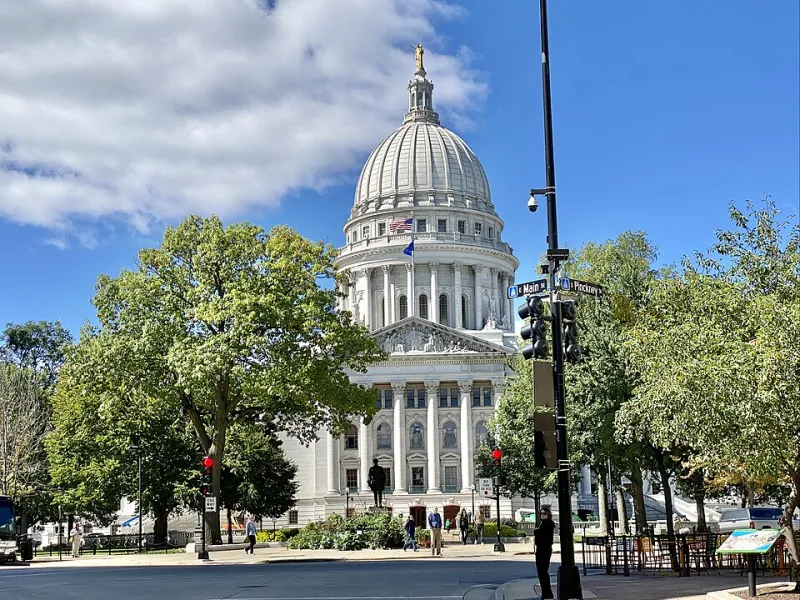
Photo: Warren LeMay from Covington, KY, United States, CC BY-SA 2.0, via Wikimedia Commons
The confetti has been swept up. The winners are posing for photos and measuring the curtains. And somewhere in your state capital, a committee chair who lost last week is scheduling a hearing for next Tuesday.
That is not a glitch. It is the handoff.
The 2026 midterms are eight days behind us. The newly elected crowd does not get sworn in until January, and in some states the governor's inauguration is weeks after that. In the meantime, the old crew still has committee gavels, veto pens, appointment lists, and a calendar. That gap is what people mean by a lame-duck session. It is not a loophole in the system. It is the system. But schedules are power, and the weeks between Election Day and Inauguration Day are when schedules get creative.
The handoff is not a light switch
We talk about elections like they end with a curtain drop. They do not. They end with a lot of paperwork, a certification, a swearing-in, and — in many states — one last legislative session before the new members show up.
Some legislatures will not meet again this year. Others already have post-election floor days on the books, or they will come back for a special session on a budget hole, a disaster fund, or a court order. Governors still have signature deadlines. Boards still have vacancies. Contracts still need a vote.
The people on the way out are not suddenly powerless. If anything, they are freed from the one thing that normally slows lawmakers down: the next election.
What gets rushed when the cameras leave
Think of the stuff that never makes a campaign ad. Appointments to utility commissions, university boards, and economic development authorities. Technical fixes to tax law. Emergency budget patches. State contracts. Land deals. Regulatory changes that shape everything from permits to school funding formulas. In states where governors have broad clemency power, pardons and commutations can land in this window too.
Not every late bill is a heist. Sometimes an outgoing legislature is cleaning up a genuine mess before the new crew arrives. Sometimes the calendar is just the calendar.
But speed is the tell. A bill introduced on a Friday and passed on a Tuesday with no fiscal note is not normal. A three-page amendment dropped at 11 p.m. is not normal. An appointment pushed through before the new governor can pick someone else is not normal. It may be legal. It is still worth a look.
Watch consent calendars. Watch anything labeled “technical corrections.” Watch bills with emergency clauses. Those are the places where the boring language does the loud work.
Why this window can hit your life harder than the campaign
Campaign ads are designed to be memorable. Lame-duck lawmaking is designed to be procedural. One gets a soundtrack; the other gets a paragraph on page C-7.
But the procedural stuff is what shows up in your mailbox. A rule about utility rates can change your power bill. A last-minute contract can decide which company runs your local transit system. A quiet change to a municipal funding formula can move money away from your block and toward someone else's. A board appointment can shape a decade of decisions about schools, water, or housing.
The campaign was about who gets to govern. The lame duck is about what gets locked in before they start.
How to track it without losing your weekend
You do not need a press credential to follow this. You need a browser and about twenty minutes.
Start with your state legislature's website. Floor calendars and committee agendas are usually posted publicly, sometimes with only a day or two of notice. Set up bill-tracking alerts for keywords that matter to you: your utility, your school district, your county, your tax bracket. Check the state register for proposed rules. Look at the governor's appointment list. Many states post contract approvals and board actions online too.
Then ask three questions about anything that moves fast: What is the vote? Who asked for it? What happens before the new members are seated?
If a committee meeting is open, watch the recording or show up. Public comment is not a magic wand, but it creates a record. A phone call to a district office is not glamorous, but neither is a floor amendment. Both are paperwork, and paperwork is how this place runs.
At the federal level, Congress has its own post-election session. But state capitals are often where the most concrete changes land, because state law is where the details live.
History says the quiet weeks can be loud
This is not hypothetical. Wisconsin's 2018 lame-duck session clipped the incoming governor's powers before he took office. Michigan lawmakers in 2018 passed a batch of bills meant to protect policies the incoming administration opposed. North Carolina's 2016 special session reshaped the balance between the governor and the legislature. Those are the famous examples, not the only ones.
Most states will not produce a dramatic power grab this year. Most of what happens will be mundane, local, and easy to miss — which is exactly why it slips by.
The receipts are public, if you know where to look
Democracy is a paperwork sport. The voting records, the committee minutes, the bill histories, the appointment lists — they are all there. The catch is that they are not pushed to your phone unless someone decides it is a story.
So consider this your reminder: the election decided who gets the office. It did not decide what happens before they get the keys. That part is still being written, and it is being written right now, in hearing rooms and floor calendars and PDFs with names like “Amendment 4.”
You do not have to read all of it. But somebody should. That is the whole point of a handoff.