Your Yard Sign Outlived the Campaign. Now It's the City's Problem.
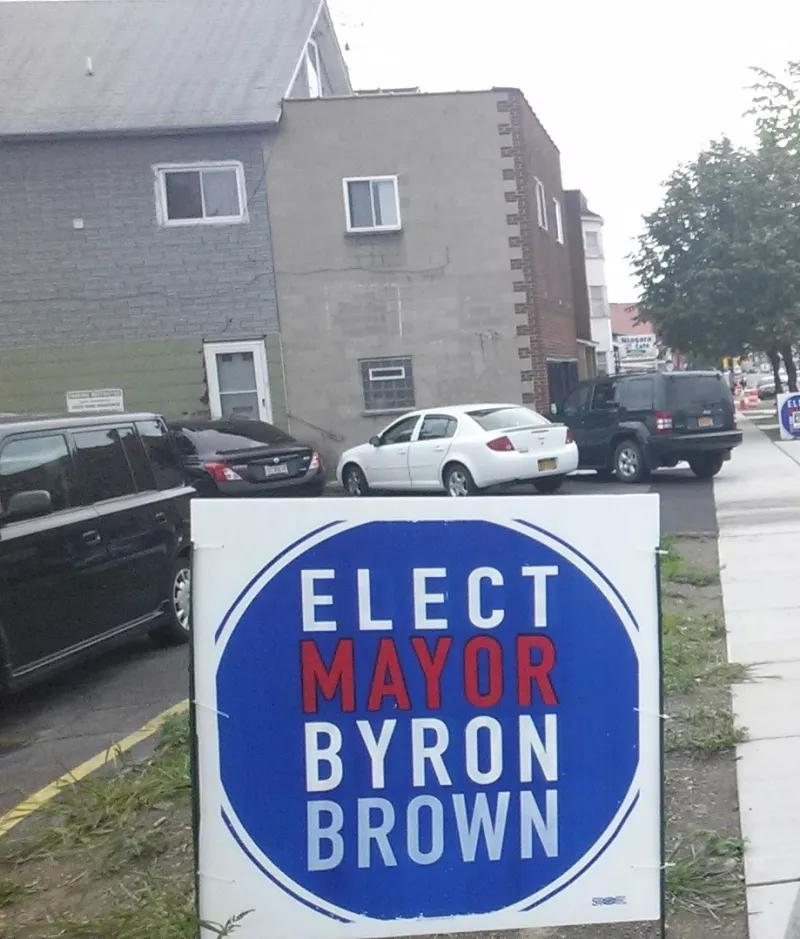
Photo: Speciapag, CC BY-SA 4.0, via Wikimedia Commons
It's November 10, 2026. The attack ads have stopped, the pundits have moved on, and your group chat has returned to its regularly scheduled programming. But there's still a candidate's name zip-tied to the stop sign at the corner, and another one leaning into the ditch like it's waiting for a bus.
The election is over. The signs are not.
This is the hangover phase of American democracy: a few million pieces of corrugated plastic scattered across lawns, medians, and vacant lots, each one a tiny municipal liability with a surprisingly complicated paper trail. And the question of who cleans them up — and who pays — tells you more about local government than any candidate's closing message.
One Sign's Journey
Take the sign in your neighbor's yard. It's probably 18 by 24 inches, printed with a name, an office, and the legally required "Paid for by" line. The material is coroplast, a fluted plastic sheet that's technically recyclable and practically annoying. The stake is wire. The whole thing cost the campaign somewhere between two and eight dollars, depending on the print run.
On November 4, it became orphaned. The campaign committee is either winding down, out of money, or already thinking about the next race. Nobody's job description includes "retrieve the signs." In many cities, the candidate signed a permit agreeing to remove them within a set window — often 30 to 60 days after the election. In others, there was no permit at all, just a handshake and a city code that says signs must come down within a "reasonable time." Reasonable, of course, is doing a lot of work in that sentence.
The Paper Trail Is Mostly a Suggestion
Here's where it gets fun. Municipal rules on political signs are a patchwork of home-rule quirks, state preemption, and First Amendment caution. Some towns require a permit and a deposit — you pay upfront, and you get the money back when the signs disappear. Others ban them from public right-of-way entirely but look the other way during election season. A few have removal deadlines measured in days; others wait until January, presumably to let the winner enjoy the holidays.
Enforcement is almost always complaint-driven. Which means your neighbor's sign becomes a problem when someone else decides it's a problem. Code enforcement officers don't cruise for yard signs; they respond to calls. And in the week after an election, those calls spike. The fine might be $50, or $500, or a stern letter. The actual collection rate is a mystery to everyone involved.
Who Actually Picks It Up?
Not the candidate, usually. Not the party, unless someone volunteers. Public works crews sometimes do sweeps, but they're busy with leaf pickup and potholes. In some cities, nonprofits or civic groups organize drop-off days. In others, a private contractor handles it as part of a broader litter contract.
And then there's the recycling question. Coroplast is plastic number 5, which means most curbside programs won't take it. The metal stakes are easy. The plastic sheets often end up in the trash because the nearest facility that accepts them is two counties over. Some sign companies now offer take-back programs, but it's not universal, and it's not free.
The Cleanup Economy Is Quietly Political
There's a small industry here: removal services that charge campaigns a few hundred dollars to sweep a district, brokers who buy back used signs and resell the stakes, and the occasional entrepreneur who peels the vinyl, prints a new name, and calls it "upcycled." It's not glamorous. It's not even particularly profitable. But it exists because the alternative — waiting for the city to do it — is slower and, from a candidate's perspective, worse for the brand.
And who pays? If the city sweeps, you do, through your property taxes. If the campaign pays, it comes out of leftover funds or the candidate's pocket. If nobody pays, the sign sits there until a volunteer with a pickup truck gets annoyed enough. That's the real system: annoyance as a public service.
Why the Rules Vary So Wildly
Blame federalism and fear of lawsuits. Political signs are speech, and cities can regulate the time, place, and manner of that speech — but they have to be content-neutral and reasonable. A removal deadline of 30 days is probably fine. A removal deadline of 30 minutes is not. Most municipalities err on the side of caution, which is why your cousin in Ohio has a different sign rule than your college roommate in Arizona.
There's also the simple fact that no one wants to be the council member who proposes a crackdown on yard signs. It's a losing issue. So the rules stay vague, the enforcement stays complaint-driven, and the signs stay up just long enough to become a punchline.
What to Do With Yours
If you're the candidate: take them down. Seriously. It's the cheapest goodwill you'll ever buy.
If you're the supporter: pull the stake, check your city's website for a drop-off site, and don't put coroplast in the blue bin unless your hauler explicitly says it's okay. If you're feeling civic, offer to collect your block's signs and take them to the recycling center in one trip.
And if you're the city: maybe publish a map. It's 2026. We have the technology.
The sign on your corner is a small monument to a finished fight. It's also a test of whether the machinery of local government can handle the boring stuff after the cameras leave. Democracy's litter doesn't clean itself. But for a few weeks every other November, it's the most visible thing on your street.