The Rules That Start When the Ball Drops: A 2027 State Law Field Guide

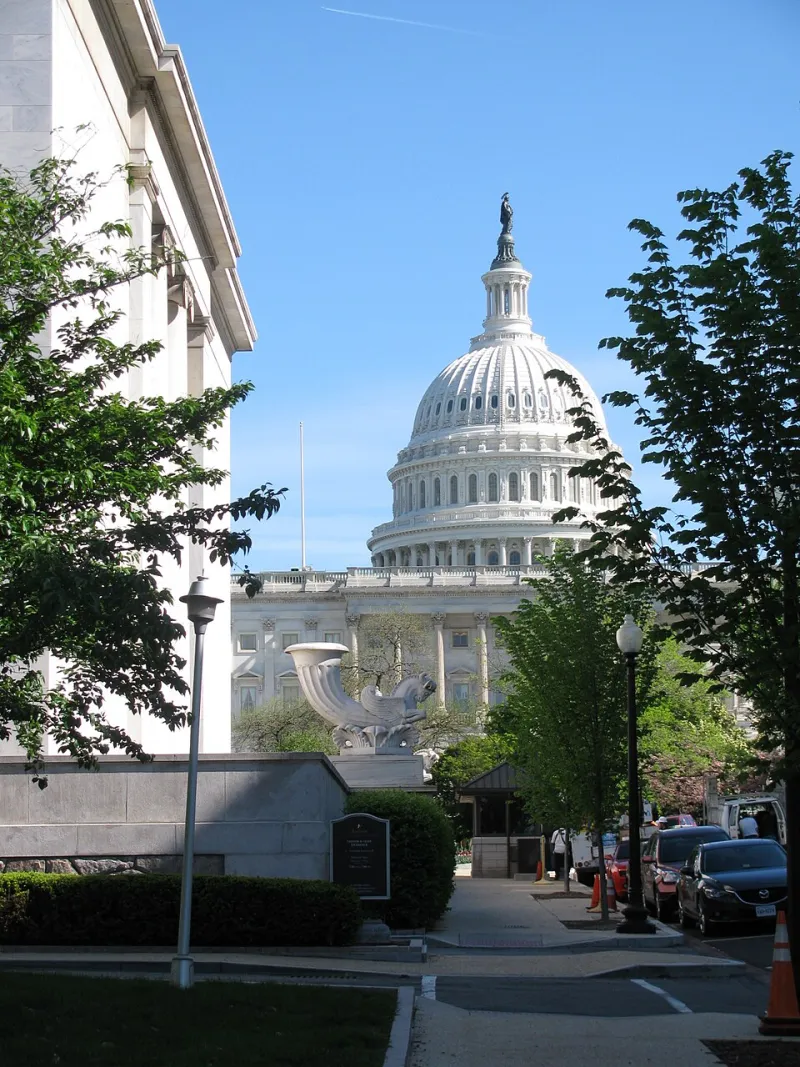
Photo: Daniel Schwen, CC BY-SA 4.0, via Wikimedia Commons
On Jan. 1, 2027, a batch of state laws takes effect across the country. Almost none of them will get a cable-news chyron. Most won’t get a press release that reaches your inbox. But some of them will show up later as a higher renewal fee, a different school form, a zoning notice, or a fine you didn’t know existed.
That’s the thing about state government. It rarely announces the reset. It just resets.
Why Jan. 1 Is the Quietest Big Day in Politics
Most states use Jan. 1 as the default start date for laws that don’t have a specific effective date or an emergency clause. That means the work of the 2026 legislative sessions — the bills that passed in March, May, or September — all land on the same calendar square. It’s not a coordinated plot. It’s a filing convention.
And because it’s a convention, it’s easy to miss. A governor’s signing ceremony gets local coverage. A bill’s effective date usually doesn’t. By the time the rule reaches your mailbox, the political fight is long over.
The Five Buckets to Check First
You don’t need to read every bill. You need to know which bucket your life falls into. Start here.
1. Fees, fines, and paperwork
This is the most common January surprise. A professional license costs more. A permit application requires an extra page. A court fee ticks up. A registration window shortens. These changes rarely make speeches, but they absolutely make Tuesdays worse. If you own a small business, renew a license, or file regular paperwork with a state agency, this is your first stop.
2. Zoning and housing rules
States have been increasingly willing to override local zoning or push cities to allow more housing. Look for new rules on accessory dwelling units, parking minimums, density bonuses, and subdivision approvals. These laws can change what can be built next door — and how long your commute gets.
3. Schools
School policy is where state law becomes a household argument. New rules on curriculum, library materials, attendance, discipline, or school choice can take effect mid-year. Districts often communicate them through handbooks and board meetings, not front-page stories. If you have kids in public school, check the district’s January board agenda.
4. Criminal justice and public safety
Some states adjust sentencing ranges, expungement rules, bail policies, or traffic penalties on Jan. 1. Others change how police departments report data or how counties handle pretrial services. These laws can be consequential, but they usually surface only when someone is directly affected.
5. Taxes and wages
Minimum wage adjustments, tax credits, and new payroll deductions are the classic Jan. 1 laws. Some are automatic. Some are the result of 2026 legislation. Either way, your first paycheck of the year may look different — and not always because of a raise.
A Regional Sampler, Not a Ballot Recap
A true state-by-state list would run for pages. But the patterns are useful.
In the Northeast, watch for new housing production rules and updated wage and leave policies. Several states have been tightening eligibility or changing contribution rates for paid leave programs, which means payroll paperwork will move before the legislature does.
In the South, look for changes to school choice programs, occupational licensing, and local preemption rules. Those are often framed as technical fixes. They can still decide whether a city can pass its own ordinance.
In the Midwest, expect adjustments to agricultural regulations, local road funding, and renewable energy siting. These are the laws that shape county budgets and farmland values long after the session ends.
In the West, water rules, wildfire prevention requirements, and land-use planning are the ones to track. A single change to a state water agency’s authority can affect a subdivision application hundreds of miles away.
The Ones That Bite in February
January is the effective date. February is when you meet the rule.
A new fee rarely announces itself. It shows up on a renewal form with a different total. A zoning change shows up when a neighbor files a permit for something that wasn’t allowed last year. A school policy shows up in a handbook, a permission slip, or a line in a board meeting minutes. A criminal penalty shows up in a courtroom, not a campaign ad.
That lag matters. It means the public conversation about a law often happens months after the law has already started working.
How to Find Your Own List in 20 Minutes
Go to your state legislature’s bill-tracking website. Search for enacted bills from the 2026 session with an effective date of Jan. 1, 2027. Then check the state agency that administers the program. Agencies often publish implementation guides, FAQ pages, and revised forms before the law takes effect.
If you’re short on time, do three things: check your professional licensing board, check your local school district’s January agenda, and check your city or county planning department’s upcoming public notices. That covers a surprising amount of daily life.
And if you find something that affects you, say so. The quietest laws are often the ones that could have used one more public hearing.
The ball drops at midnight. The paperwork starts at 9 a.m.