The December Rolodex: How K Street Gets Its New Year’s Head Start
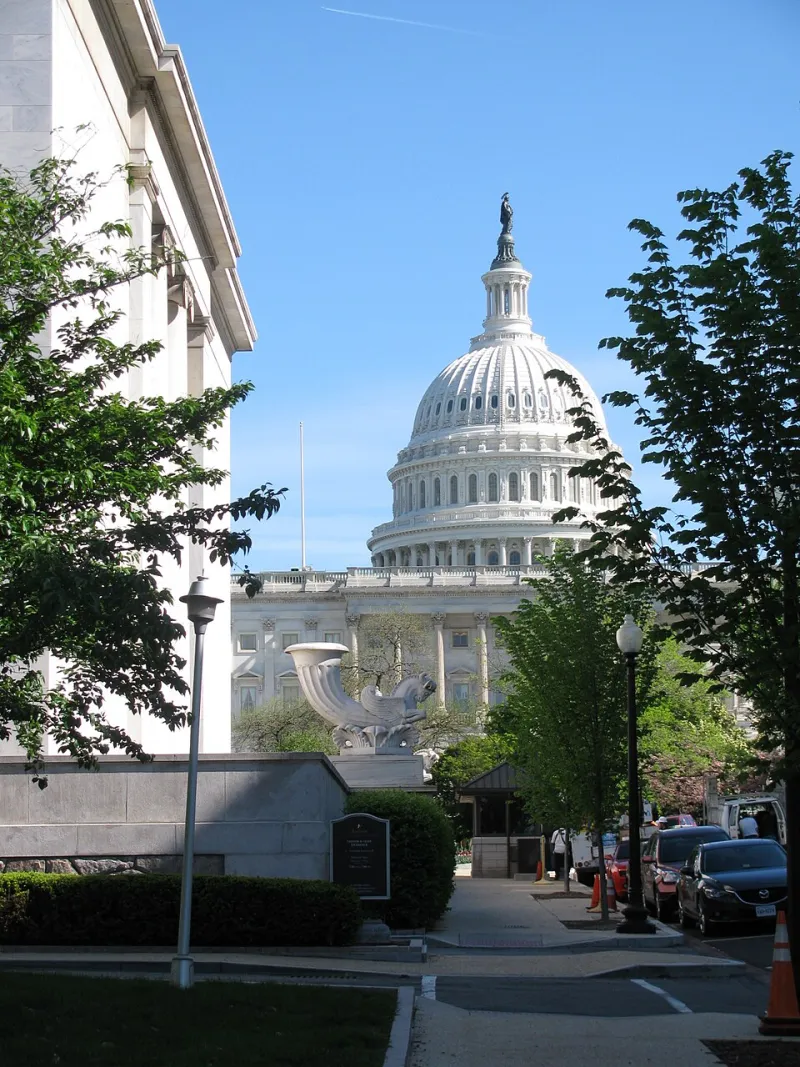
Photo: Slowking4, CC BY-SA 3.0, via Wikimedia Commons
The election is over. The lobbying isn’t.
December is the strange season in Washington. The outgoing Congress is still technically in session. The incoming one hasn’t been sworn in. The cameras have moved on. But the business of influence doesn’t wait for a gavel. It just changes addresses.
This is the transition window — the stretch between Election Day and the first week of January — and it is one of the most consequential periods in the two-year cycle. Not because lawmakers are voting. Because they’re hiring, listening, and getting ready to vote.
The Six-Week Window
A new member of Congress has a narrow window to build an office. They need a chief of staff, a legislative director, a scheduler, a communications aide, and district staff. They need committee assignments. They need a first bill, or at least a first message. And they need to know which issues will land on their desk in the first 100 days.
That’s where the meetings come in. Trade associations, advocacy groups, unions, and corporate government-affairs shops all want to be part of the “education” process. None of them call it lobbying. They call it a briefing. A policy discussion. A chance to introduce the new member to the district’s priorities.
Most of it is legal. Much of it is useful. But it happens before the public is paying attention, and that’s the point.
Follow the Paper Trail
The good news for anyone who wants to look is that Washington still leaves receipts. Lobbying disclosures under the Lobbying Disclosure Act require registrants to report who they lobby, which agencies and chambers they contact, and how much they’re paid. Quarterly reports don’t capture every coffee, but they do show the contracts that pay for the coffee.
Watch for new registrations filed in November and December. Watch for firms that add a new client right after the election. Watch for the names of outgoing congressional staffers appearing as registered lobbyists or as “policy advisors” at firms that lobby their former committees.
There are cooling-off rules for former members and senior staff, but they vary in strength and in coverage. And the revolving door doesn’t always spin in one direction. Sometimes a campaign aide becomes a committee staffer. Sometimes a committee staffer becomes a trade association vice president. The disclosure system is designed to catch the formal relationships, not the friendships.
The Fundraiser as Onboarding
December is also fundraiser season. The invitations are already circulating — holiday receptions, transition events, policy dinners, and “new member meet-and-greets” that are technically campaign events, not lobbying contacts. The distinction matters legally. It matters less practically.
A fundraiser is not a bribe. It’s worse than that, in a boring, procedural way: it’s a scheduling filter. The people who write checks get face time. The people who don’t get a form email. That’s not a scandal. It’s a system. And the system starts working before the swearing-in.
The Revolving Door Has a Calendar
Outgoing officials have their own December calendar. Some are retiring. Some lost. Some are looking at the private sector for the first time in years. The lobbying firms know this. They’ve been watching committee retirements and close races for months.
By January, the hiring announcements will be public. By February, the new registrations will start appearing. By spring, the same people who helped write a bill will be paid to influence its implementation. That’s not always illegal, and it’s not always corrupt. But it is a pattern, and patterns are easier to see when you look at the calendar instead of the crime blotter.
What the First Vote Won’t Tell You
The first vote of a new Congress is usually a rules package. It’s procedural. It’s inside baseball. It also tells you who has power. Committee ratios, floor access, amendment rules, subpoena authority — these are the levers that decide what can pass later.
But the agenda is set even earlier. In December, the new member learns which committee staffer is really in charge, which trade group has a draft bill ready, and which local mayor wants a meeting. The first vote is the public performance. The December meetings are the rehearsal.
The Watchlist for January
If you want to track the influence industry’s head start, follow three things: new lobbying registrations, new congressional staff hires, and the first fundraising reports of the cycle. None of them will explain everything. Together, they’ll show you who got in the door before the rest of us found the address.
Washington loves a dramatic vote. But the quiet December meeting is where the vote gets its shape.