The Exit Interview Caucus: Why Congress’s Short-Timers Suddenly Run the Room
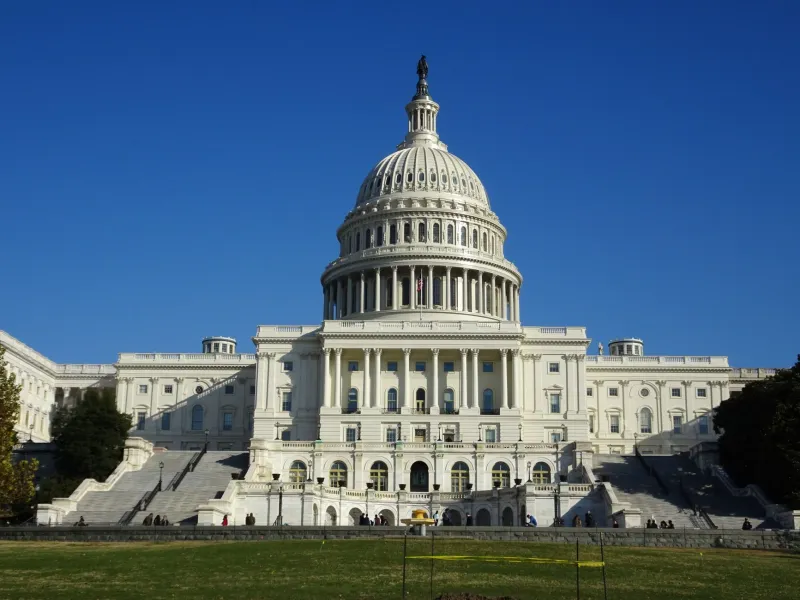
Here’s the weird math of November in Washington: the people with the least electoral future often have the most leverage. After the 2026 midterms, Congress returns for a lame-duck session, and a chunk of the room is either packing boxes, nursing a loss, or counting down to retirement. They are not worried about a primary challenge. They are not dialing for dollars. And that makes them unusually useful — and unusually powerful.
This is not a civics-class footnote. The December rush can shape spending levels, defense programs, judges, and the fine print that decides how federal money lands in your state. The people doing the deciding may have just been fired by voters. Welcome to the exit interview caucus.
The math of a short-timer
A member who just lost reelection has a strange kind of freedom. They still hold a committee seat. They still have staff. They still have a vote. What they don’t have is a next campaign to worry about. That changes the calculus on tough votes, especially when leadership needs a few bodies to pass a bill before the new Congress gets sworn in.
Retiring members are similar, but with better timing. They’ve had months to think about a legacy item, a hometown project, or a policy fight they’ve wanted to settle. Defeated members have had weeks. Both groups can become free agents in a chamber that usually runs on discipline.
There’s a practical side, too. Senior lawmakers know the rules, the staff, and the shortcuts. A departing committee chair can still move a bill. A defeated appropriator can still negotiate. And leadership, eager to clear the deck before the new majority or new committee lineup takes over, may hand them the keys to a narrow deal.
That’s the part to watch. Lame-duck sessions are not just leftover business. They are a compressed season when the usual accountability — voters — has already spoken, but the new accountability — the next election — hasn’t started yet.
Where the action hides
The flashiest fights get the cameras. The ones that affect your life often get a press release at 11 p.m.
Start with spending. If Congress hasn’t finished its appropriations work, the lame duck becomes a scramble over a catch-all package or a short-term extension. Outgoing members can be the swing votes on pet programs, local projects, and policy riders that never got a hearing. A rider is a small sentence with a big shadow: it can block a regulation, redirect money, or settle a fight that couldn’t pass on its own.
Next, defense policy. The annual defense authorization bill is a moving train, and departing members with committee seats often try to attach hometown priorities or protect programs before they leave. That can mean a base upgrade, a contract, or a research program in a district that just voted them out.
Then there are judges. Judicial confirmations can run right up to the end of the year, and a senator who is retiring or defeated may be more willing to cut a deal on floor time or vote timing. Court seats last longer than any single Congress. If you care about the federal bench, the lame duck is not inside baseball. It’s the whole game.
And don’t sleep on the procedural stuff: tax extenders, expiring authorities, nominations below Cabinet level, and last-minute changes to rules that govern how agencies spend money. These are the stories that rarely trend but often stick.
How to catch a deal before the gavel
You don’t need a cloakroom source to follow this. You need a few habits.
First, watch the calendar, not the shouting. When leadership announces a “must-pass” vehicle, ask what’s riding on it. The bill title is the wrapper. The text is the product.
Second, follow the departing members on the relevant committees. If a retiring appropriator suddenly gives a floor speech about a “targeted investment,” that’s a signal. If a defeated Armed Services member files an amendment late, pay attention. They’re not auditioning for voters anymore. They’re negotiating for a legacy, a deal, or a landing spot.
Third, read the summary from the congressional committees — then check the actual text when it drops. Summaries are marketing. Text is law. Search for your state, your county, your industry, and the word “shall.” That one word decides a lot.
Fourth, keep an eye on what leadership punts. A decision to delay a fight until the new year is also a decision. It tells you who couldn’t get the votes — and who gets another shot.
The takeaway
The lame duck is not a loophole. It’s a feature of a system that has to finish the year even after the voters have rendered a verdict. But it rewards attention. The lawmakers with nothing left to lose can do a lot in a few weeks, and most of it won’t make your social feed.
So when the gavel drops in December, don’t treat it as cleanup. Treat it as the last real lawmaking window of 2026 — run by people who already know how the story ends for them. The rest of us are still in the audience, and the fine print is still being written.