Your New Judge Got Elected in a Blur. Here's What They'll Decide First.
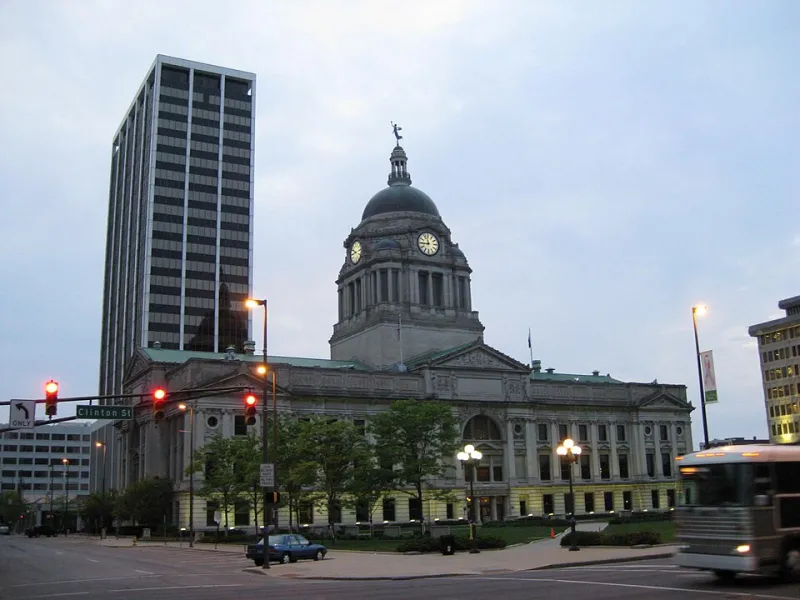
Photo: kristinafh, CC BY 2.0, via Wikimedia Commons
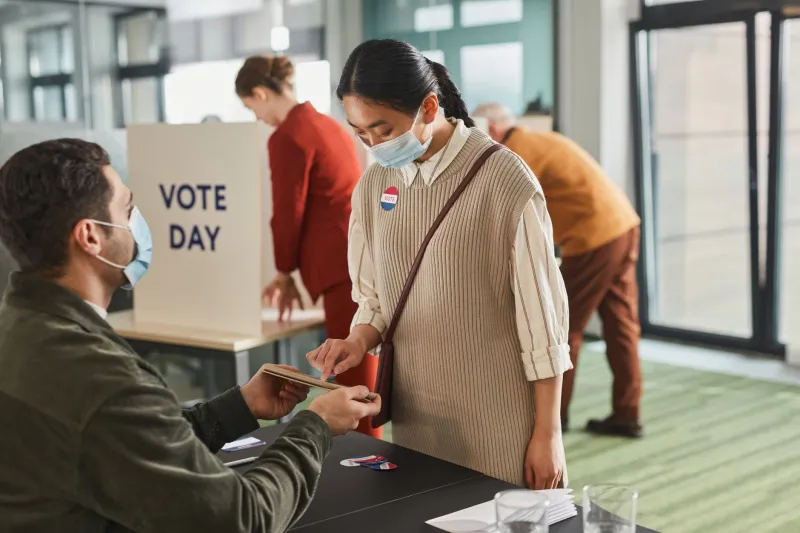
A week after Election Day 2026, most of us are still coming down from the loudest races on the ballot. You know the ones: governor, Congress, that attorney general ad that followed you through three states of streaming. But somewhere below the fold, often below the school board and the soil and water conservation district, there was a judicial race. Maybe several. And if you are like most voters, you did not know much about the people on it.
That is the quiet problem of the 2026 midterms. Not fraud. Not a conspiracy. Just a simple mismatch: the officials who will make some of the most personal calls in your life got a fraction of the attention.
The Down-Ballot Black Box
Judges are not abstract. They handle evictions, child custody, gun permit appeals, abortion-related litigation, school funding fights, criminal sentencings, bail decisions, and workplace disputes. In many states, they are elected. Some run unopposed. Some face retention votes where the only question is yes or no. Some appear on the ballot in partisan races, some in nonpartisan races, and some under a system that mixes appointment with later elections.
The result is a strange blind spot. You probably know your new member of Congress by name. You might know your state representative. But the judge who will decide whether a landlord can push a family out of an apartment, or whether a local gun rule survives a challenge, may have won with no campaign you ever saw.
That is not because voters are lazy. It is because judicial races are built to be hard to follow. Candidates are often barred from saying how they would rule on specific issues. Campaigns are low-budget. Local news has fewer courts reporters than it used to. And the ballot itself can be a maze of odd judicial districts and retention questions that seem designed to make your eyes glaze over.
Why These Races Slip Through
The coverage gap is not random. Judicial candidates often run under strict ethics rules that limit what they can promise. That makes for dull ads, and dull ads do not get airtime. Meanwhile, the big races eat the oxygen. A congressional candidate can talk about inflation, immigration, or the price of eggs. A judicial candidate usually cannot say much beyond experience, temperament, and respect for the law.
There is also the name-recognition problem. In low-information races, voters often pick the name that sounds familiar, the one at the top of the ballot, or the one that matches their party. In nonpartisan races, they sometimes just skip the contest entirely. That means a small slice of committed voters can decide who gets a robe and a courtroom.
And then there is the unopposed problem. When a judge runs without a challenger, there is no race to cover. No debate. No dueling mailers. Just a name on the ballot and a win by default. It happens more often than most people realize, especially in trial court races and retention elections.
How to Check Who Actually Won
This part is easier than it sounds. Start with your county election office or your secretary of state's website. Most post unofficial results by precinct and by race. Look for the judicial section, not just the top of the ticket. If your area uses retention elections, check the yes and no percentages. If your area uses partisan judicial elections, check the margin.
Then go one step further. Ballotpedia and local bar associations often publish candidate profiles, ratings, and survey answers. Local legal newspapers and court watchers can be dry, but they are useful. Read the sample ballot you ignored in October. It will tell you the exact seat, the district, and whether the race was for a full term or an unexpired one.
One caution: results are still being canvassed in some places, and close races can head to recounts. So do not treat election night numbers as final. But do treat the outcome as real. These are the people who will be sworn in for 2027.
What to Watch When the Robes Settle
New judges take the bench in January, and the first year is usually when you see their fingerprints. Watch eviction court. Watch bail decisions and public defender workloads. Watch how judges handle gun permit appeals and challenges to local firearms rules. Watch school funding cases, especially in states where the courts have historically stepped in. Watch abortion-related litigation, which is still moving through state courts in many places. Watch whether judges open courtrooms to cameras, press, and the public, or keep them closed.
You do not need to be a lawyer to follow this. You just need to know that the courthouse is where a lot of policy actually gets settled. A state legislature can pass a law, but a judge can interpret it, delay it, or strike it down. A city can pass an ordinance, but a judge can decide whether it survives.
The Part You Can Still Do
Election Day is over, but the accountability part is not. Court watchers sit in on hearings. Local bar groups publish performance reviews. Judicial retention commissions sometimes take public comment. You can ask your local news outlet why it did not cover the judicial races. You can look up your new judge before the first big ruling, not after.
The 2026 midterms gave us plenty of headlines. The judges who won in the blur deserve a follow-up. They are about to make decisions that will show up in your neighborhood, your wallet, and your rights. The least we can do is learn their names.