Congress Does Its Best Work After You Stop Watching
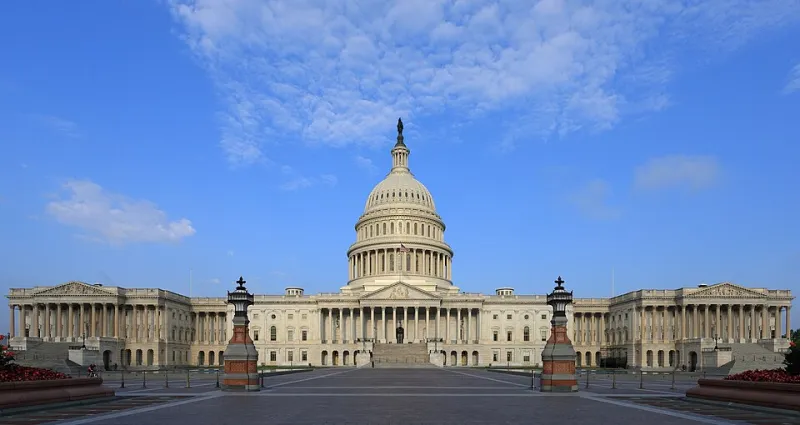
Photo: Martin Falbisoner, CC BY-SA 3.0, via Wikimedia Commons
There's a stretch of the calendar that almost nobody outside Washington talks about, and it starts right about now. The 2026 midterms wrapped on November 3. The winners are already measuring office space. The losers are packing. And the people still holding the gavels have roughly six weeks to do the part of the job that doesn't fit on a campaign mailer.
People call it a lame-duck session, which is one of those phrases that sounds like an insult and kind of is. But it's also, weirdly, the closest thing Congress has to a functioning workplace — no fundraisers, no attack ads, no primary challengers to fear.
First, the definition nobody hands you
A lame-duck session is any stretch when Congress meets after an election but before the new members are sworn in. In this cycle, that means the current House and Senate gathering in November and December 2026, with dozens of members who already know they won't be back in January.
"Lame duck" refers to the lawmakers, not the institution. Defeated incumbents, retirees, and people who lost a primary all become ducks of the lame variety the moment the votes are counted. They still have full voting power. They just don't have a next election to worry about.
That combination — power without consequences — is why lobbyists circle this window like it's Black Friday.
Why the strangest stuff surfaces now
Think about the incentives. During a normal legislative year, a member up for reelection has to explain every vote back home. In a lame duck, a retiring appropriator from Ohio can vote for a spending package that includes something mildly embarrassing and never have to answer a single town-hall question about it.
Second, deadlines pile up. The federal fiscal year ended September 30, which means the government has been running on stopgap funding known as a continuing resolution. Those things expire. The annual defense policy bill — the National Defense Authorization Act — is usually still moving. Judges are waiting on confirmations. There's always a farm bill or a water projects bill or an intelligence authorization sitting somewhere in the queue.
Third, and this is the one that catches people off guard: the leadership math changes. A speaker who barely survived the election has less leverage over the Freedom Caucus or the Progressive Caucus than a speaker who just got a mandate. Sometimes that gridlocks things. Sometimes it's the opposite — the election results clarify who's actually in charge, and suddenly a bill that sat dormant for two years gets a floor vote.
We've seen it before. The 2022 lame duck passed the Respect for Marriage Act. The 2020 lame duck passed a COVID relief package everyone had been promising for months. The 2018 session ended in a government funding standoff over border wall money. Same six-week window, wildly different outcomes — but all of them happened after the voters went home.
The votes that actually matter when the ads stop
Here's the part that should bug you a little. In the final weeks of a session, a lot of consequential stuff moves through procedural shortcuts that never show up in a cable news chyron.
- Voice votes and unanimous consent. If no one objects, a bill can pass with literally nobody's name attached to it. One senator can block it. Sometimes one senator does, and the whole thing dies at 2 a.m.
- Suspension of the rules. The House sets aside certain days for bills that need a two-thirds majority. Bipartisan, boring, and often very expensive.
- Cloture votes. In the Senate, ending debate on a bill takes 60 votes. If you see a cloture vote scheduled, that's your signal that something real is moving — or about to fall apart.
- The "hotline." Leadership calls around to see if anyone objects to a bill passing by unanimous consent. If the hotline is "hot," the bill is quietly on its way.
None of this is secret. It's just dense. And density is a great place for things to hide.
How to watch it without losing your mind
You do not need to sit through gavel-to-gavel coverage. Here's a low-effort routine that covers 90% of it.
Check the floor schedule once a week. The House Majority Leader publishes a weekly schedule, and the Senate publishes a floor schedule too. Skim the bill titles. If something is labeled "Making further continuing appropriations," that's government funding — pay attention.
Use the roll call pages, not the press releases. Congress.gov and the House Clerk's site list every recorded vote with a link to the bill text. The Senate has its own roll call page. Two minutes a week is plenty.
Follow the money in the bill summaries. The Congressional Research Service writes plain-English summaries of most bills. They're not exactly beach reading, but they're honest.
Watch C-SPAN 2, but only when cloture is filed. Someone filing cloture means the majority leader is trying to force a vote. That's the interesting moment.
And one more thing: pay attention to who's leaving. A retiring senator's final floor speech is often the most honest thing you'll hear from them — and it's usually about exactly the kind of process nonsense the rest of the chamber ignores.
The bottom line
The midterms get the coverage because they're dramatic and easy to score. But governing — the actual writing and passing of the laws that set your tax rate, your student loan terms, and whether your airport gets a new runway — happens in the quiet weeks when the cameras are gone.
So don't check out just because the ads did. The lame ducks are about to get to work, and they'd honestly prefer it if you weren't looking.