The Farm Bill Is a Grocery Bill With a Committee Schedule
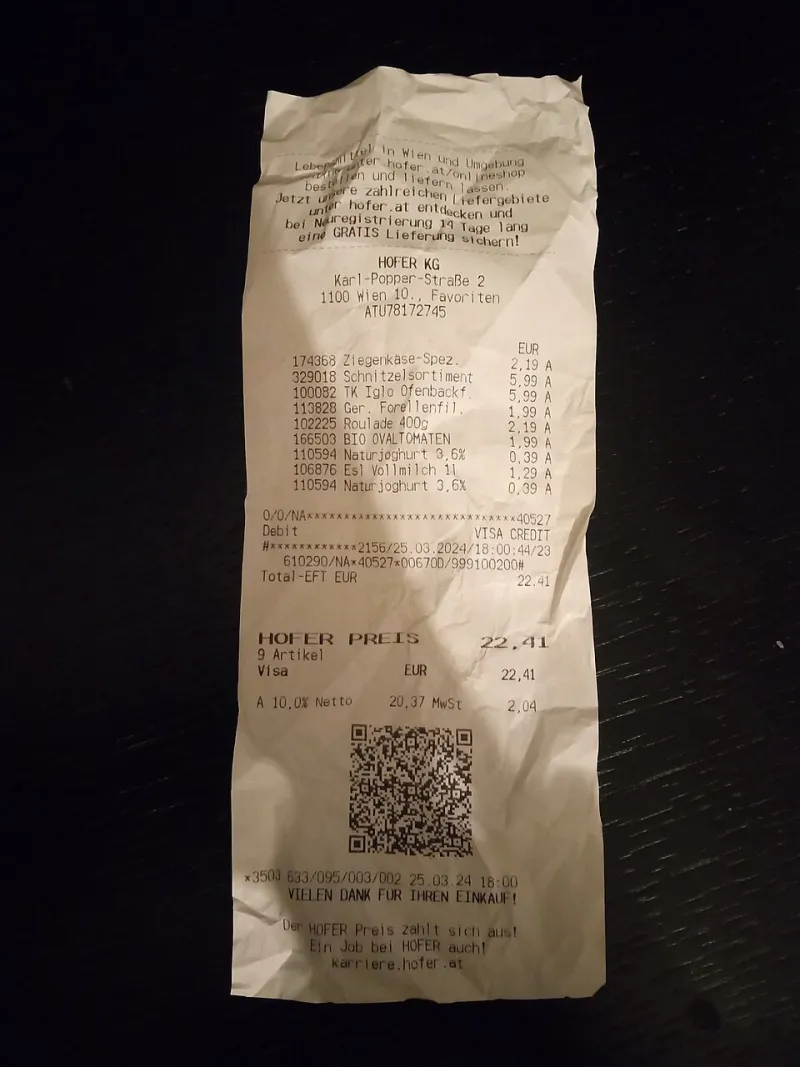
Photo: Grandmaster Huon, Public domain, via Wikimedia Commons
The farm bill is one of those Washington phrases that sounds like it belongs on a C-SPAN drinking game. It is huge, it is old, and it touches everything from crop insurance to food assistance to rural broadband. But here is the translation for the rest of us: the farm bill is a grocery bill with a committee schedule.
That does not mean every line item shows up at the checkout counter. It means the debate shapes the conditions that produce food, move it, price it, and put it on shelves. When politicians argue about the 2026 farm bill, they are arguing about the rules behind the receipt.
The acronym decoder ring
The farm bill is a multi-year package. It covers commodity programs that support certain crops, crop insurance that protects farmers against bad weather and bad markets, conservation programs that pay landowners to protect soil and water, nutrition programs including the Supplemental Nutrition Assistance Program, rural development, agricultural research, trade promotion, and food assistance for schools and food banks.
That is a lot of government in one bill. It is also why the debate gets loud. Different committees handle different pieces. Urban lawmakers care about nutrition. Rural lawmakers care about commodity supports and crop insurance. Budget hawks care about the price tag. Environmental groups care about conservation. Food companies care about supply chains. Farmers care about margins. Everyone claims to speak for the consumer.
The loud fight is not always the price fight
The biggest headlines usually come from the nutrition title. Work requirements, eligibility rules, and spending levels for food assistance are moral and political arguments, and they deserve attention. They are also not the main reason a box of cereal costs what it costs. The loudest fights are often about values and budgets, not the shelf price.
The shelf price is shaped by a messier set of factors: energy costs, fertilizer and seed prices, labor, transportation, packaging, interest rates, global commodity markets, trade policy, and concentration in the processing and retail sectors. Crop insurance and commodity programs matter because they influence what farmers plant and how much risk they can carry. They are not a direct dial for the price of milk, but they are part of the machine.
That is why the farm bill debate can feel disconnected from the grocery store. The arguments in committee rooms are about baselines, reference prices, payment limits, conservation set-asides, and eligibility formulas. Those words do not scan in a campaign ad. They do decide how much support flows to different crops and regions, and that shapes the food system over years.
What shoppers will actually feel
Most shoppers will not feel the farm bill as a single price change. They will feel it through the slow grind of food costs, the availability of certain products, and the health of the supply chain. They will feel it if a major processing plant closes, if a drought hits a key growing region, or if trade rules shift overnight. They will feel it if nutrition programs are cut and local food banks see more demand. They will feel it if crop insurance rules change and farmers switch acreage.
The 2026 debate is also happening against a backdrop of high input costs and a farm economy that is uneven across regions. Some farmers are doing fine. Others are carrying more debt and facing tighter margins. The farm bill is one of the few tools Congress has to adjust that picture. It is not a magic lever, but it is a lever.
What taxpayers should watch
Taxpayers have a stake in two directions. First, the bill spends real money on subsidies, insurance, conservation, and nutrition. Second, it sets rules that can make food production more or less resilient. A cheap bill today can be an expensive bill later if it weakens conservation, ignores research, or leaves farmers exposed to shocks.
The smart question is not whether the farm bill is too big or too small. It is whether the money is going to the things that actually stabilize the food system. Crop insurance can help farmers survive a bad year. Conservation can protect soil and water. Nutrition programs can keep families fed. Research can produce better seeds and practices. None of that fits neatly into a partisan tweet, which is part of the problem.
The receipt is the scoreboard
The farm bill debate will produce plenty of hearings, amendments, and floor speeches. Most of it will be forgotten by the next news cycle. The part that lasts is the part that changes the rules behind the grocery bill.
So when you hear about the 2026 farm bill, do not just listen for the loudest argument. Listen for the boring one. The boring argument is often the one about risk, supply, and whether the system can handle a bad year. That is the argument that eventually shows up at the register.