Statehouse Auditions: Why the Next President Is Probably Sitting in a Governor's Mansion Right Now
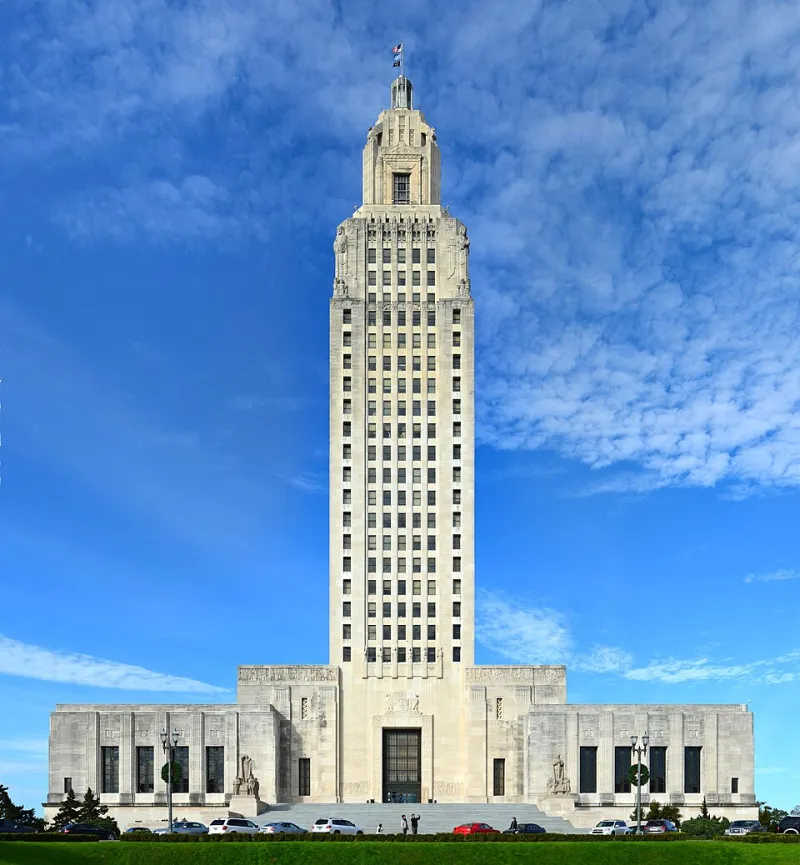
Photo: Chrismiceli, CC0, via Wikimedia Commons
Here's a fun exercise: the next time a presidential campaign kicks off, count how many candidates hold — or recently held — a governorship. The number will probably surprise you. For decades, the Senate was seen as the farm system for national ambition. That era is quietly ending, and the statehouse is the new star maker.
The Case for the Governor's Chair
It's not hard to see the appeal. Governors actually run things. They sign budgets, manage agencies, and handle crises that show up on camera — hurricanes, pandemics, prison standoffs. A senator can give a stirring floor speech that nobody watches. A governor declaring an emergency gets carried live on every network.
There's also a built-in contrast machine. With Washington stuck in perpetual continuing-resolution purgatory, any governor who can point to a balanced budget, a new factory, or a repealed law has a ready-made stump speech: I got it done where I governed. They can't get anything done at all.
Emergency Powers: The Ultimate Demo Reel
Nothing tests a governor like a crisis, and nothing showcases one like sweeping emergency authority. The pandemic years turned governors into nightly cable fixtures. Some leaned into lockdowns and public health mandates; others fought them in court and on Fox and MSNBC simultaneously. Either way, the crisis handed them a national audience they could never have bought.
The lesson stuck. Emergency powers — over energy grids, border deployments, disaster response — have become the fastest way for a governor to look presidential. When a chief executive sends state troopers to the border or declares a grid emergency during a heat wave, it reads less like administration and more like a trailer for a future campaign.
The Veto as Viral Content
Then there's the veto — once a dusty procedural act, now a social media event. Governors who veto big bills with punchy statements know exactly what they're doing. A two-line veto message can rack up millions of views, earn a cable hit, and force legislators in the other party to vote on an override that becomes a story in itself.
Even the override fight is part of the play. Win it, and you're the principled check on extremism. Lose it, and you're the martyr who stood alone. In modern politics, both endings campaign well.
The Map of Ambition
Not every statehouse is an equal audition stage. The most-watched mansions tend to share a few traits: swing-state optics, big media markets, and legislatures that produce high-profile fights. Florida, Texas, Georgia, Arizona, Michigan, Pennsylvania — these governorships generate headlines precisely because what happens there could tip a national election.
Smaller states can still punch up. A governor from New Hampshire or South Dakota can build a national brand through sheer volume of appearances, early-primary proximity, and a willingness to pick fights far outside their borders. New Jersey and Maryland governors have historically proven that a blue-state mansion can launch a red-state campaign, and vice versa.
What It Means for Voters
There's a practical takeaway buried in all this ambition. If your governor is likely running for president, their decisions are partly campaign products. Budgets get shaped for maximum contrast with Washington. Veto fights get scheduled for maximum attention. That doesn't automatically make the decisions bad — but it means voters should read them the way they read campaign ads: with an eye toward who benefits from the story being told.
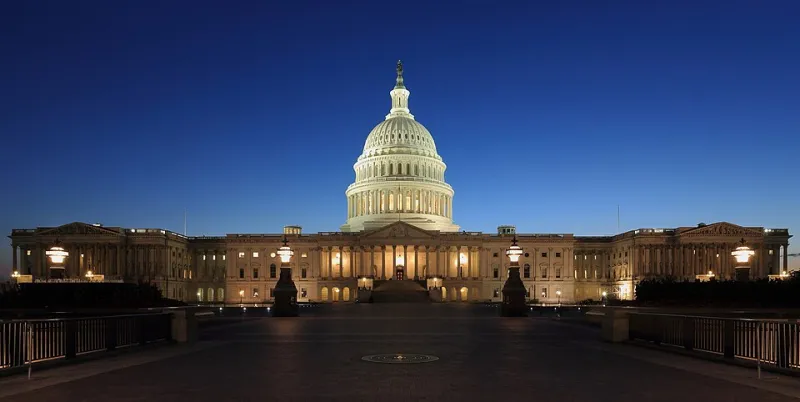
So watch the statehouse, not just the Capitol. The gridlock in DC isn't going anywhere, and the politicians who actually govern — or at least appear to — will keep using their states as launchpads. The next occupant of the White House might already be living in one with a governor's plaque on the door.