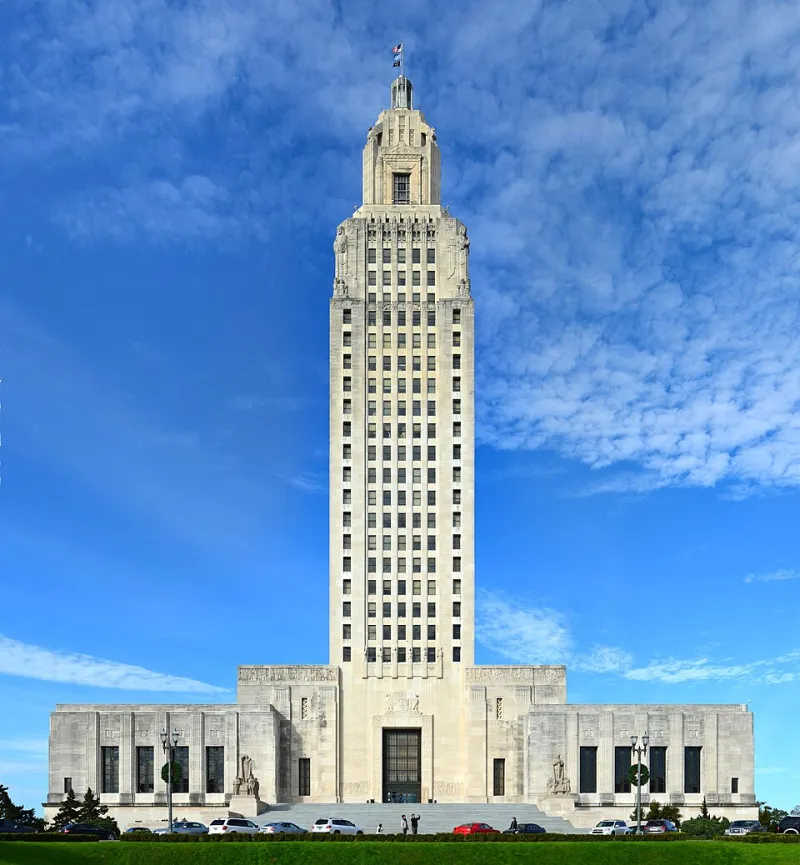
The Election That Actually Raises Your Rent: A Case for Looking Down, Not Up
Photo: South Australian government photographer, Public domain, via Wikimedia Commons
Quick test. Name the Speaker of the House. Easy, right? Now name your state representative. Your county commissioner. The chair of your water utility board.
If you're like most Americans, the first answer took half a second and the rest took a lot longer — or didn't come at all. And that's precisely backwards, because the people you can't name are the ones deciding what your tap water tastes like, what your property assessment says, and how long your kid sits in a fourth-grade classroom.
The Outrage Economy Has a Direction Problem
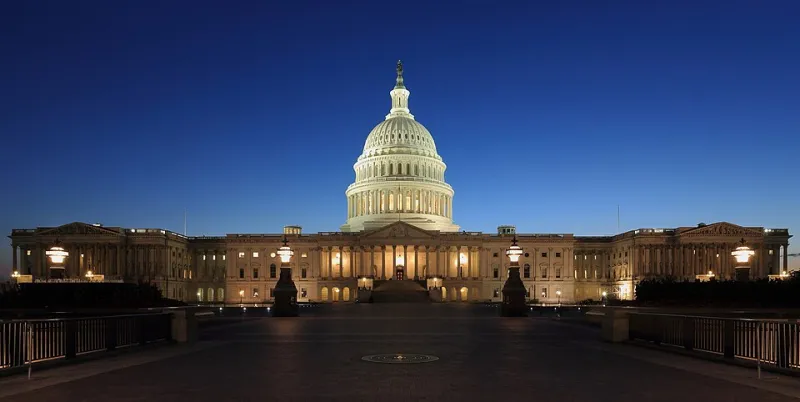
National politics is a product, and we're the market. Cable panels, viral clips, fundraising emails with subject lines written in all caps — the whole machine is optimized to keep your eyes pointed at Washington. It's not a conspiracy; it's just that national drama scales. One fight in the Capitol can generate content for ten million feeds.
But here's the thing about that drama: it mostly doesn't touch you. The federal government is slow, gridlocked, and distant by design. Meanwhile, your city council voted last month on a zoning change that will shape whether a housing complex goes up near you — which, in a tight market, means whether your rent goes up next year. Your school board set the calendar, the class sizes, and the curriculum fights. Your utility commission, a body so obscure most residents can't spell it, approved the rate hike that showed up on your bill in January.
Local government is where abstract politics becomes a line item. It's just that nobody's livestreaming it.
The Turnout Scandal Nobody Talks About
In a typical municipal election, turnout can dip below 20 percent — sometimes into the single digits. That means a committed minority of voters, often with a direct financial stake in the outcome, effectively hires the government that runs your daily life. Developers show up. Public employee unions show up. The neighborhood association with a listserv shows up. If you didn't, the decisions were made without you, legally and cheerfully.
And it's not just elections. Comment periods on zoning variances, public hearings on water rates, the once-a-decade redistricting of your county commission — these processes run on attendance. Absence is a vote, too. It's just a vote for whoever else bothered to come.
The 'Local First' Playbook
None of this means tuning out national news. The federal government does enormous things — courts, wars, the economy — and pretending otherwise is its own kind of naivety. The argument is about proportions. Try this:
- Learn three names. Your state rep, your county commissioner, your school board member. Ten minutes of googling. That's the whole assignment.
- Subscribe to one local outlet. A newspaper, a public radio station, even a good Substack covering your county. One source, consistently read, beats fifty national hot takes.
- Attend one meeting a year. Any meeting. Zoning, school board, whatever. You will learn more in ninety minutes than in a month of scrolling.
- Vote in the boring elections. The spring municipal race with no ads and no yard signs is where your vote carries the most weight, mathematically. Low turnout means your ballot is worth more, not less.
- Follow the money downstream. When you see a national story about, say, infrastructure funding, ask: who decides how it gets spent here? That's your county commission. Go look.
Democracy Starts on Your Block
There's a quiet satisfaction in local politics that the national feed can't replicate. You can actually win. Show up to three school board meetings, learn the budget, ask one sharp question, and you have more influence over a real institution than most people will ever have over Congress. The stakes are smaller and the leverage is enormous.
So yes, watch the presidential race. Enjoy the circus. But the election that raises your rent, closes your library on Sundays, and decides whether the road outside gets repaved? That one's happening on a Tuesday in April, in a high school gym, with folding chairs and a signup sheet.
Be the person in the folding chair.