The Deadline President: How a 24-Hour News Cycle Makes Real Lawmaking Impossible
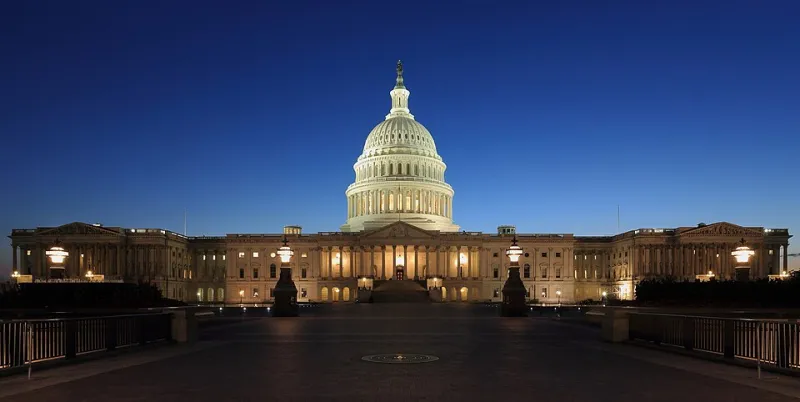
Photo: Martin Falbisoner, CC BY-SA 3.0, via Wikimedia Commons
Here's an opinion you won't hear on a primetime panel: Congress isn't broken because of Twitter, or gerrymandering, or the members themselves. Congress is broken because of us — or more precisely, because of the impossible speed at which we demand to know what Congress is doing.
Legislation takes months. Headlines take seconds. That gap is where American governance goes to die.
The Arithmetic of a Compromise
Think about what a real bipartisan deal actually requires. Months of staff negotiations. Committee markups that go nowhere twice before going somewhere. Backchannel conversations that only work because nobody's watching. A compromise, by definition, gives both sides things to dislike — which means at every stage of the process, there's a fresh angle for a story about how the deal is "in trouble" or "facing backlash."
Now layer on the modern news cycle. Every leaked draft becomes a story. Every story becomes a pressure event. Every pressure event gives the most hardline members of each caucus an incentive to grandstand, because grandstanding generates coverage, and coverage generates fundraising emails. The senator who kills a deal at midnight gets a headline. The senator who quietly improves it over six months gets nothing.
We are, in effect, running a reward system that pays out for obstruction and pays nothing for patience. Recent years have handed us the case studies: infrastructure negotiations that nearly collapsed a dozen times before passing, government funding standoffs that produced weeks of breathless coverage and a continuing resolution nobody liked. In each case, the coverage didn't just describe the dysfunction — it amplified the incentives that created it.
The Soundbite Tax
There's a reason members of Congress increasingly behave like content creators. The modern legislator's day isn't structured around committee work; it's structured around hits. A floor speech used to be delivered to an empty chamber and recorded for the archive. Now it's a clip, cut to fifteen seconds, optimized for the evening rundown.
The cost of this is what I'd call the soundbite tax. Any policy position complex enough to be accurate is too long for the clip. So members compress — and compression strips out the tradeoffs that make legislation possible. "We must secure the border" and "We must fix our immigration system" both fit in a headline. The sixty-page bill that does neither perfectly but moves the ball ten yards does not.
Voters then punish the ten-yard move as betrayal, because the headline promised the touchdown.
The Contrarian Case for Slowing Down
Here's where I'll lose some readers: maybe the answer isn't better coverage. Maybe it's less immediate coverage.
Imagine if the major outlets agreed — even informally — to cover major legislation on a weekly rhythm rather than an hourly one. Summarize the state of play every Friday. Report on deal-killing leaks as what they are: process noise, not news. Reserve breaking coverage for actual votes and actual outcomes.
Would it work perfectly? No. Would leaks dry up? Also no. But the incentive structure would bend. Negotiators would get a little more room to fail privately and recover. Hardline grandstanders would find their leverage slightly devalued, because a threat to blow up a deal matters less when it doesn't dominate the news for seventy-two straight hours.
There's precedent. C-SPAN's cameras, ironically, changed the Senate precisely by making every floor moment performative — and some members have long argued the chamber functioned better before the lights came on. The point isn't nostalgia. The point is that transparency at the wrong speed isn't transparency at all. It's a highlight reel that flattens governing into entertainment.
What Ordinary People Can Do
You can't fix Congress from your couch, but you can change your own information diet. Read about a major bill after the vote, not just during the drama. Notice how little the final product resembles the mid-negotiation headlines. Support outlets — especially the policy-focused ones nobody shares — that cover the ten-yard moves.
And be honest with yourself about the deal you're making. Fast news feels like civic engagement, but it often functions as civic junk food: lots of stimulation, little nourishment. The slow, boring, six-month story of how a bill actually gets written is where democracy either works or doesn't.
Congress will move at the speed of its incentives. Right now, those incentives run on our attention. Slow the attention, and maybe — maybe — the legislating gets a little less impossible.